How To Live With Dependent Personality Disorder Though people with DPD fear being alone, their behaviors often sabotage relationships. While the end of a relationship devastates them, they quickly jump into a new one. Some treatment experts may confuse DPD with borderline personality disorder , as they share many common symptoms. If you think you or a loved one has DPD, reach out to your doctor. Following an accurate diagnosis, dependent personality disorder treatment can help you manage symptoms and learn how to develop healthy relationships. There are ten types of personality disorders, of which dependent personality disorder, DPD, is among the most commonly diagnosed.

DPD occurs in men and women equally and usually develops in young adulthood. DPD involves a pervasive need to be taken care of that causes feelings of helplessness and submissiveness. People with DPD have an excessive fear of abandonment and difficulty making everyday decisions. Their reliance on others to fulfill their emotional and physical needs frequently leads to them being involved in physically and emotionally abusive relationships. The Diagnostic and Statistical Manual of Mental Disorders, 5th Edition (DSM-5), provides a comprehensive framework for symptoms and classification of behavioral health conditions. However, efforts to make codependency a recognized disorder have been unsuccessful.

The latest iteration of diagnostic criteria, the DSM-5, only includes dependent personality disorder as an official diagnosis, not codependency. Mental health experts describe personality as characteristic patterns of thinking, feeling, and behaving that make us unique individuals. Personality characteristics tend to remain consistent over time. A personality disorder affects how a person thinks or acts, resulting in behavior that deviates from cultural norms and impairs healthy functioning. Individuals with personality disorders experience severe dysfunction in most areas of life, mainly with interpersonal relationships. Rose Hill Center is a top-rated mental health treatment facility offering various services, including personality disorder treatment.
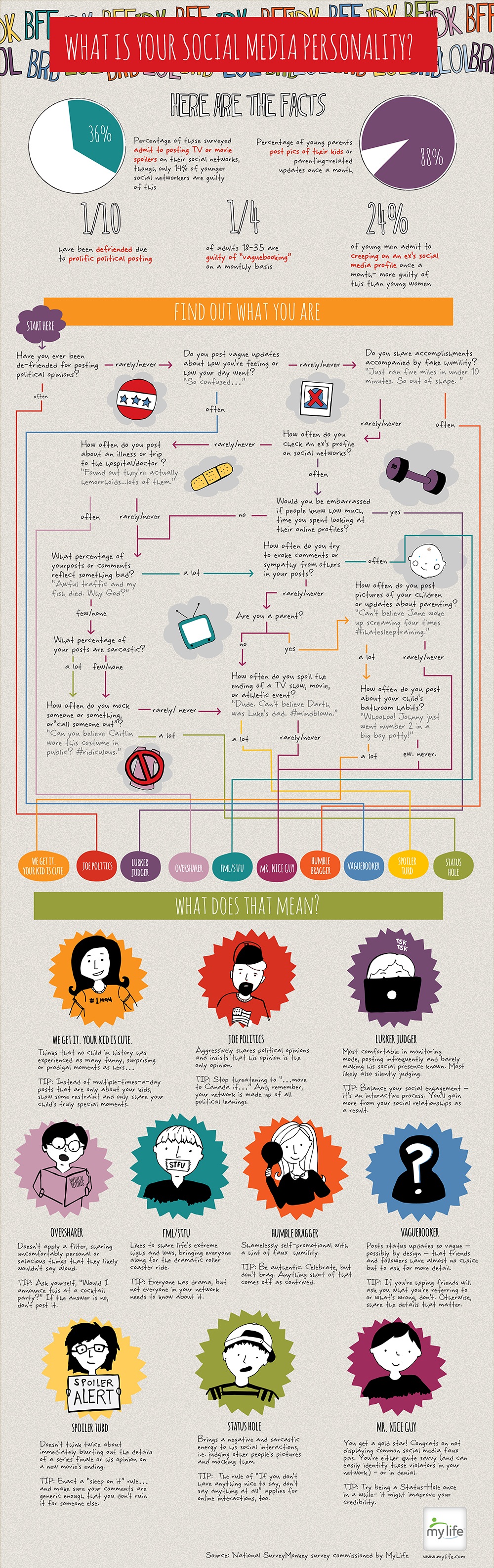
Dependent Personality Disorder is a disorder characterised by a pervasive and excessive psychological dependence on other people. Dependent individuals avoid situations that require them to make decisions, or accept responsibility for themselves; they look to others to take the lead and give continuous support. Dependent personality disorder judgment of others is distorted by their inclination to see others as they wish they were, and not as they are. When a close relationship ends people with dependent personality disorder may urgently seek another relationship to give the care and support they need.

Individuals with dependent personality disorder fear rejection and lack self-confidence, they also fear separation and constantly try to cope with their anxiety of abandonment. Being alone leaves the sufferer feeling helpless and uncomfortable. Personality disorders are a unique category in the world of mental illness. People with borderline personality disorder struggle to understand how wives, husbands, friends, and other family members experience their intense reactions, mood swings, and risky behavior.

The goal of therapy is to help the person with DPD become more active and independent, and to learn to form healthy relationships. Short-term therapy with specific goals is preferred when the focus is on managing behaviors that interfere with functioning. The goal of therapy is to help the person with DPD become more active and independent, and to learn to form healthyrelationships.
People with borderline personality disorder tend to have major difficulties with relationships, especially with those closest to them. Their wild mood swings, angry outbursts, chronic abandonment fears, and impulsive and irrational behaviors can leave loved ones feeling helpless, abused, and off balance. Partners and family members of people with BPD often describe the relationship as an emotional roller coaster with no end in sight. You may feel like you're at the mercy of your loved one's BPD symptoms—trapped unless you leave the relationship or the person takes steps to get treatment.

Used as treatment for people with dependent personality disorder. Cognitive-behavioral therapy focuses on patterns of maladaptive thinking and seeks to eliminate them. Often people in cognitive-behavioral therapy set goals that they eventually try to achieve without relying on others. Often the patient is receptive to the treatment and seeks help with their personal relationships. With this particular kind of therapy, the therapist will help the patient understand how they interact with others and how this contributes to their dependency issues. This particular therapies purpose is to show the patient that their dependency comes with a high price and that they do have alternatives.

Another type of therapy used to treat dependent personality disorder is group therapy. Often people taking part in group therapy must be highly motivated to see improvement. Studies show that time-limited assertiveness-training groups with very clear goals are successful.

It has also been said that family or martial therapy can improve a person's independence by working on the families relationship as a whole. Because a family member with BPD may not be able to provide the empathy and self-awareness necessary for a relationship, it's vital to have other supports in your life. Carve out time to spend with friends and engage in leisure activities. You also should consider how to involve other family members in the care and support of someone with BPD.

No single person should be responsible for communicating calmly and responding to crisis situations. The more people who know effective strategies for responding to the individual, the less often crises will erupt. The staff at our mental health treatment center understand how difficult these symptoms, both struggling with them and overcoming them, can be.

Away from these things, clients can break destructive habits and learn new, healthy ones that will allow them to practice making independent decisions and build their self-confidence. A personality disorder can affect how you cope with life, manage relationships, and feel emotionally. You may find that your beliefs and ways of dealing with day-to-day life are different from others and that you find it difficult to change them. You may find your emotions confusing, tiring, and hard to control.

Because it is distressing, you may find that you develop other mental health problems like depression or anxiety. You may also do other things such as drink heavily, use drugs, or self-harm to cope. Some people with personality disorders have trouble coping with stressful events, and may need support in a crisis. They may develop suicidal thoughts and behaviours and require emergency assistance. Rarely, hospitalisation may be required in severe cases to prevent the risk of self-harm or suicide, or for the treatment of other mental health conditions.
This is a temporary solution to ensure safety and, in general, long-term hospital admission is not recommended for people with personality disorders. Certain types of psychotherapy are effective for treating personality disorders. During psychotherapy, an individual can gain insight and knowledge about the disorder and what is contributing to symptoms, and can talk about thoughts, feelings and behaviors.

The type of treatment will depend on the specific personality disorder, how severe it is, and the individual's circumstances. Compared to other mental illnesses, dependent personality disorder isn't very common. It is only diagnosed in 0.5 to 0.6 percent of the general population.
However, signs of this personality disorder can appear in virtually anyone. You may experience some symptoms of DPD throughout your life, even if you don't have this mental health condition. It's estimated that around 2.5% of the U.S. population has DPD, although other estimates say it's much higher. Persons with a dependent personality have low self-esteem and feel inadequate and helpless. They may demonstrate submissive and clinging behavior with a fear of separation. There is passivity and an inability to cope without the support of others.
Dependent persons frequently involve themselves in unhealthy or inappropriate relationships to avoid being alone. While dependent behavior is a normal childhood developmental stage, by early adulthood and beyond this behavior is abnormal. We publish material that is researched, cited, edited and reviewed by licensed medical professionals.

The information we provide is not intended to be a substitute for professional medical advice, diagnosis or treatment. It should not be used in place of the advice of your physician or other qualified healthcare provider. Personality disorders are a specific type of behavioral health disorder that affect an individual's ability to function and maintain a high quality of life. People who struggle with a personality disorder may have difficulty maintaining healthy relationships and often have a skewed perception of themselves and others. Dependent Personality Disorder can affect a person's quality of life and relationships, and it may occur with other mental health disorders. Psychotherapy is the most effective long-term treatment option for personality disorders.

Psychotherapy is when a psychologist, psychiatrist or psychotherapist helps people to understand their thoughts, motivations and feelings. These insights can help people to manage their symptoms, develop satisfying relationships and make positive behaviour changes. These two mental health conditions are common with people with DPD. It is essential to not self-medicate with prescription opioids, alcohol, or other drugs, like marijuana. Borderline personality disorder often occurs with other mental illnesses. The primary treatment method for all personality disorders, DPD included, is psychotherapy .Cognitive Behavioral Therapy is commonly recommended.

Additional options include Psychodynamic psychotherapy and group therapy. The main goal of this therapy is to make the individual more independent and help them form healthy relationships with the people around them. This is done by improving their self-esteem and confidence.

The TARA for Borderline Personality Disorder's mission is to foster education and research in the field of personality disorders, like borderline personality disorder. It is thought that personality disorders may occur due to a complex interaction between negative early life experiences and genetic factors. Disruptions to the attachment between parents and infants can happen due to mental or physical illness or substance abuse in the parent, or long separations between parents and infants. A lack of positive caregiving in early childhood can also have a negative impact on personality development. People often develop the early signs of a personality disorder in adolescence. The exact number of Australians with personality disorders is not known.
People with a personality disorder also have high rates of coexisting mental health conditions such as depression and substance abuse. Unlike a physical illness, recovery has a different meaning when it comes to mental health. Recovery does not imply the total elimination of symptoms, the lack of need for medication or therapy, and functioning comparable to persons without the disorder.

Recovery from Borderline personality disorder looks like fewer threats of self-harm, reduction of frequency of emotional outbursts, and a decrease in the intensity of reactivity. Relapse may occur, but crises will resolve quickly and you will feel more prepared to handle the situation. In turn, your loved one will feel encouraged to take small but steady steps towards a fuller and healthier life. Drugs and alcohol might interfere with DPD treatment due to that therapy focuses on addressing the underlying mental health disorders, like anxiety and depression. If a person with DPD is taking antidepressant or anti-anxiety medication, alcohol use can be risky because it is a depressant affecting the central nervous system.

Prescription drugs usually act slower than illicit substances and could take several weeks before the person begins to feel the wanted relief. In this case, the individual may take more of the drug to experience the intended relief. Abuse of the drug then becomes a problem that needs to be addressed.

One of the most common personality disorders, dependent personality disorder usually manifests itself in early adulthood. The disorder heavily impacts the formation and maintenance of interpersonal relationships. Those with DPD have extremely low self-esteem, an intense fear of being abandoned and noticeable helplessness.

For some with DPD, this dependence is so deeply ingrained that they may enter into—and remain in—damaging or abusive relationships because the fear of confrontation or abandonment runs so deep. Interpersonal therapy focuses on how mental health issues can affect relationships. After an initial assessment in the early sessions, together with a therapist the interpersonal issues will be identified and ranked in order of importance.

Then the aim will be to develop a set of adjustments, and how to implement them in daily life. This type of therapy is best suited to people that have been diagnosed with dependent personality disorder, as the therapy is very targeted and usually lasts between 12 and 16 sessions. Dependent personality disorder is a mental health issue where sufferers exhibit an excessive need to be taken care of, resulting in needy and submissive behaviour. It is categorised as a Cluster C personality disorder, which also houses avoidant personality disorder and obsessive compulsive disorder.

Cluster C personality disorders all exhibit heightened levels of anxiety; in the case of someone with dependent personality disorder, feeling alone and being helpless are the main sources. Common symptoms of dependent personality disorder include things like extreme sensitivity to criticism, fear of abandonment or separation, and a sense of helplessness when a relationship ends. Everyone experiences some level of discomfort at the end of a relationship. For example, you might feel unable to make everyday decisions, and you may need constant support or approval from others. Instead, they continue the behavior and may get caught up in abusive relationships. Even better, you'll be able to do it right from the comfort of your own home so you can start working toward your future, sooner than ever.
In addition, a codependent often feels compelled to take care of others and feels a need to be liked by everyone. Intimacy issues, fear of abandonment, and confusing love with pity are common traits. As a whole, these symptoms pertain to a single person or family as opposed to dependent personality disorder where the symptoms apply to people within the social network as a whole. Taking a codependency quiz can help to better understand the symptoms and traits inherent in people who struggle with the condition. The argument against having a distinct diagnosis for codependency stems from the idea that the condition shares too much overlap with other mental health conditions to merit its own diagnosis.

For example, codependency symptoms overlap significantly with dependent personality disorder , as well as borderline personality disorder . Dependency is a long-standing style of interpersonal interaction. People with a dependent personality type may have failed to individuate properly. PCH Treatment Center believes a thorough assessment is required to identify previous psychological trauma and maladaptive thinking and behavior patterns to elucidate a treatment plan.


